
Packing for an African safari or hiking adventure is very different from packing for a regular vacation. This isn’t a city break where you can easily buy what you forget. Safaris and trekking journeys often take you deep into national parks, remote villages, mountains, forests, or deserts where shops and modern facilities may be limited.
One day you might be bouncing along dusty roads on a game drive in Tanzania, the next hiking through rainforest trails in Uganda, and later walking across sun-soaked desert landscapes in Egypt. Temperatures change quickly, mornings can be cold, afternoons extremely hot, and evenings cool again. Comfort, practicality, and preparation matter far more than fashion.
Packing smartly helps you stay relaxed, safe, and focused on the experience instead of worrying about blisters, sunburn, or forgotten essentials.
At Berngo Safari Tours, we guide travelers across Tanzania, Kenya, Uganda, Botswana, South Africa, Malawi, and Egypt, and we’ve learned exactly what works best in Africa’s diverse environments. This detailed packing guide will help you prepare for every situation so you can enjoy your adventure with confidence.
Explore our African safari tours and hiking adventures
Understanding Africa’s Terrain and Climate
One of the biggest mistakes travelers make is assuming Africa has one type of weather. In reality, the continent offers an incredible variety of landscapes and climates.
You may encounter:
- Open savannas and grasslands
- Thick rainforests
- Wetlands and river deltas
- Mountain trails
- Dry deserts
- Lakeside environments
Each terrain comes with different packing needs.
For example, desert regions like Egypt require strong sun protection and breathable clothing, while gorilla trekking in Uganda demands waterproof boots and rain gear. Botswana’s wetlands may involve boat safaris, while South Africa’s parks can get surprisingly cold in the early mornings.
Doing a little research about your destination before packing will help you avoid overpacking or forgetting essential items. The goal is to prepare for comfort, safety, and flexibility without carrying unnecessary weight.
Choosing the Right Clothing for Safari and Hiking
When it comes to safari clothing, practicality always wins. You’ll likely spend long hours outdoors sitting in open vehicles, walking through bush trails, or hiking uneven terrain. Breathable, lightweight fabrics that wick away sweat will keep you far more comfortable than heavy or tight clothing.
Neutral colors are highly recommended. Shades like khaki, beige, olive, brown, and light grey blend naturally into the environment and don’t attract insects or disturb wildlife. Bright colors can scare animals away, while dark colors like black or navy tend to attract heat and bugs.
Layering is also essential. Temperatures fluctuate dramatically throughout the day. A cool sunrise can quickly turn into intense midday heat, followed by chilly evenings around camp. Wearing multiple light layers allows you to adapt easily.
Instead of packing dozens of outfits, focus on versatile pieces that you can mix and match. A few high-quality items are far better than overstuffing your suitcase.
Key clothing items to bring:
- Lightweight t-shirts or breathable tops
- Long-sleeve shirts for sun and insect protection
- Comfortable hiking trousers
- Light jacket or fleece
- Waterproof outer layer
- Hat and UV-protection sunglasses
Footwear: The Most Important Item You’ll Pack
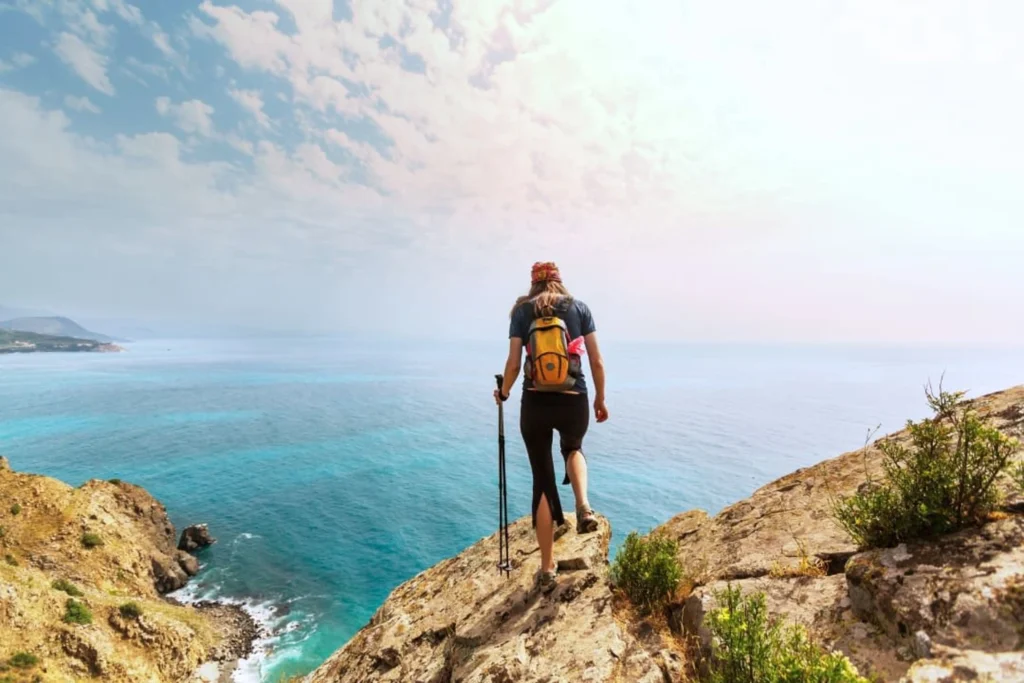
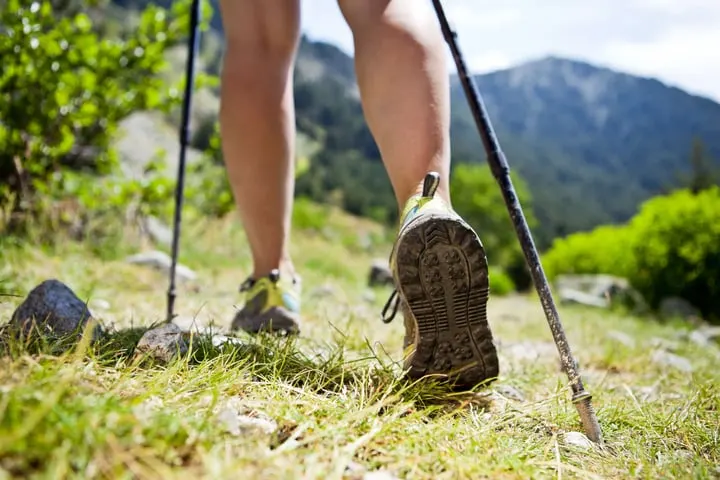
If there’s one thing you should invest in, it’s good footwear. On safari, you might be climbing in and out of vehicles, walking through bush trails, hiking hills, or trekking through forests. Poor shoes can quickly lead to blisters, sore feet, or even injuries that ruin your trip. A sturdy pair of hiking boots or trail shoes with proper grip and ankle support will protect your feet and make long walks much easier. Comfort is more important than style.
For relaxing at your lodge or camp, lightweight sandals or sneakers are helpful. If your trip includes gorilla trekking in Uganda or mountain hiking, waterproof boots are absolutely necessary. Trails can be muddy, slippery, and steep, especially during the rainy season. And remember, always break in your boots before traveling.
Essential Safari Gear and Equipment
The right gear adds comfort and convenience to your safari experience. A small daypack is incredibly useful for carrying daily essentials like water, sunscreen, snacks, and your camera. Binoculars enhance wildlife viewing, allowing you to observe animals from a safe distance without missing details. Sun protection is critical. The African sun is stronger than many travelers expect, so a wide-brim hat, sunscreen, and lip balm are must-haves.
Photography enthusiasts should bring a camera with a good zoom lens, spare batteries, and extra memory cards. Wildlife moments happen quickly, and you don’t want to miss them. Packing light but thoughtfully is key. Choose items that serve multiple purposes to reduce weight. Essential Safari Gear and Equipment
Health, Safety, and Personal Care Preparations
Health preparation is often overlooked, but it’s essential for remote travel. A small first aid kit can handle minor cuts, blisters, or headaches without needing medical assistance. Pack any personal medications in sufficient quantities, along with copies of prescriptions if required. Insect repellent helps protect against mosquitoes and other bugs, while hand sanitizer and wet wipes keep you clean when facilities aren’t available.
Staying hydrated is critical during long outdoor days. Carrying a reusable water bottle or hydration pack ensures you always have access to safe drinking water. Travel insurance is strongly recommended for safaris, covering unexpected medical or travel issues.
Packing Tips by Destination
Because Berngo Safari Tours operates across multiple countries, here’s some tailored advice depending on where you’re going.
Tanzania & Kenya
Expect dusty game drives and strong sun. Lightweight clothing, hats, sunglasses, and scarves or buffs to protect against dust are helpful.
Uganda
Forest trekking requires waterproof boots, rain jackets, gloves, and long trousers to protect against mud and vegetation.
Botswana
Luxury lodges are common, so pack casual evening wear in addition to safari clothes. Nights can be cool, so bring warm layers.
South Africa
Weather can change quickly, so layering is important. Comfortable walking shoes are ideal for both safaris and city visits.
Malawi
Relaxed environments near Lake Malawi mean light clothing, swimwear, and hiking shoes for nature trails.
Egypt
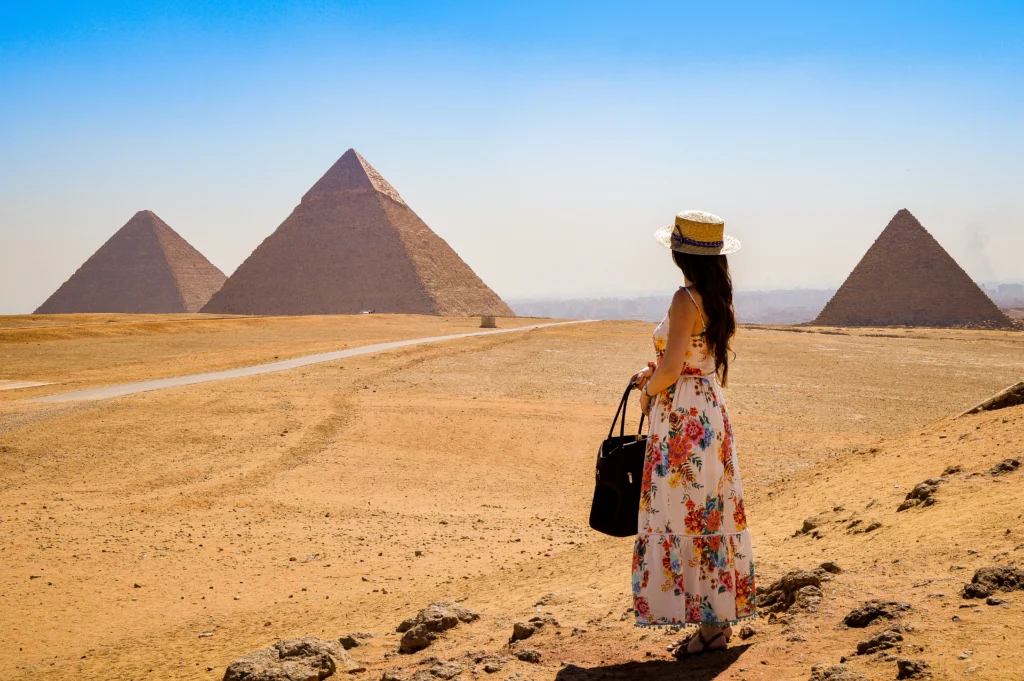
Hot desert conditions require sun hats, loose cotton clothing, sunscreen, and closed shoes to protect from sand and heat.
Common Packing Mistakes to Avoid
Many travelers make simple mistakes that cause unnecessary stress. Overpacking heavy luggage makes moving between parks difficult. Bright clothing attracts insects and disturbs wildlife. Brand-new shoes cause painful blisters. And bringing expensive jewelry or valuables increases risk.
Stick to essentials, pack light, and focus on comfort. Soft duffel bags are usually better than hard suitcases, especially for safari vehicles and bush flights.
A Simple Safari Packing Checklist
Here’s a quick summary to make things easier:
- Clothing: Neutral lightweight clothes, layers, jacket, hat
- Footwear: Hiking boots, comfortable sandals, socks
- Gear: Backpack, binoculars, sunscreen, camera, water bottle
- Health: First aid kit, medications, insect repellent
- Documents: Passport, visa, travel insurance, confirmations
Plan Your Adventure with Berngo Safari Tours
Packing correctly is important, but choosing the right tour operator makes the biggest difference. At Berngo Safari Tours, we design personalized safari and hiking adventures across Africa, combining wildlife, culture, comfort, and safety. From Serengeti safaris and Kenya wildlife tours to Uganda gorilla trekking and Egypt desert explorations, our expert team handles every detail so you can focus purely on enjoying the experience.
With the right preparation and the right guides, your African journey becomes unforgettable.
Frequently Asked Questions (FAQs)
What colors should I wear on safari?
Neutral colors like khaki, beige, and olive are best. Avoid bright or dark colors.
Do I need hiking boots for safari?
Yes, especially for walking safaris, hiking, or gorilla trekking.
How much luggage can I bring on safari?
Soft bags under 15–20 kg are recommended, especially for small bush flights.
Is camouflage clothing allowed?
No. Some African countries restrict camouflage clothing, so it’s best avoided.
What should I pack for gorilla trekking in Uganda?
Waterproof boots, rain jacket, gloves, long sleeves, and a daypack.
Can I do laundry during safari trips?
Many lodges offer laundry services, so you can pack lighter.
Do I need binoculars?
Highly recommended. They greatly enhance wildlife viewing.
Is travel insurance necessary?
Yes. It’s strongly advised for medical and travel emergencies.